
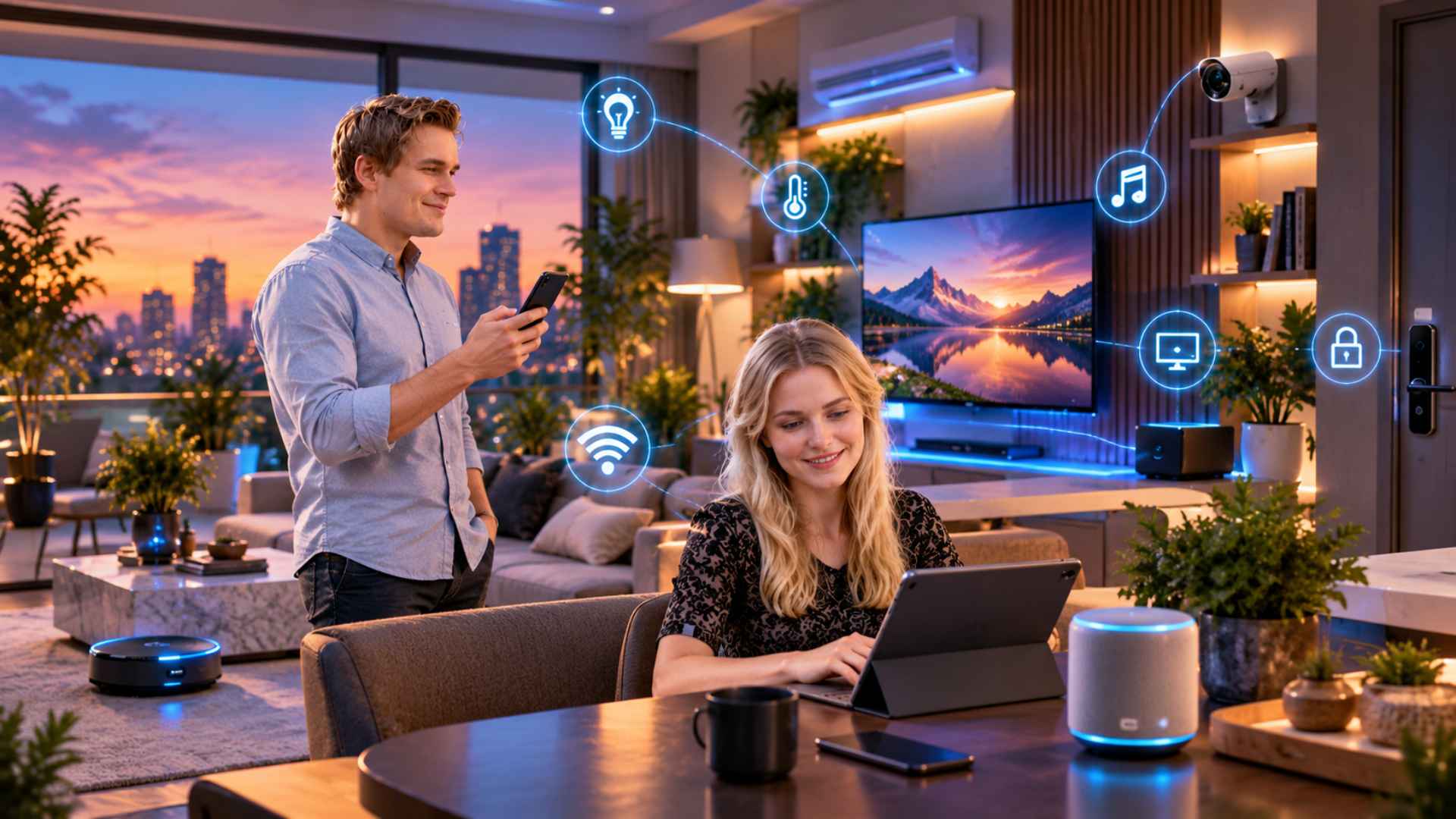
Modern homes are becoming smarter, more connected, and increasingly efficient as technology continues to evolve. Devices that once required bulky components and dedicated spaces are now designed with compact dimensions, streamlined structures, and impressive capabilities. From wireless networking equipment to intelligent security systems, manufacturers are finding new ways to deliver powerful performance without demanding additional room. This transformation is changing how homeowners approach convenience, organization, and everyday living, making technology easier to integrate into different home environments.
As living spaces become more valuable, the demand for efficient devices continues to grow. Compact technology offers practical solutions for apartments, small houses, and modern interiors where functionality and appearance matter equally. The concept of shrinking storage, expanding possibilities in home technology reflects a broader shift toward smarter product design, where smaller physical footprints can support increasingly sophisticated digital experiences. By combining space-saving engineering with intelligent software, today’s home devices demonstrate that limited space does not have to mean limited potential.
The Growing Demand For Compact Home Technology
Urbanization, changing lifestyles, and the popularity of minimalist interiors have influenced how people choose technology for their homes. Many homeowners want devices that perform multiple functions without creating clutter or requiring complicated installations. Traditional equipment with large enclosures, tangled cables, and separate accessories is gradually giving way to compact alternatives that fit naturally into contemporary living spaces. This shift is especially noticeable in home offices, entertainment areas, and shared rooms where every available surface serves a purpose. Smaller devices can help maintain a clean environment while supporting the growing number of connected products used throughout the day.
Another important factor is the increasing capability of modern hardware. Advances in semiconductor design, wireless communication, energy efficiency, and component integration allow manufacturers to place more processing power into smaller enclosures. A compact smart speaker can manage voice commands, play music, and control connected lighting, while a small networking device can distribute reliable internet access throughout a household. These improvements make technology more accessible to consumers who value both performance and convenience. Rather than simply reducing product dimensions, manufacturers are redesigning entire systems to deliver greater functionality with fewer physical components.
How Miniaturization Is Changing Everyday Living
Miniaturization is reshaping everyday routines by making useful technology easier to position, transport, and operate. Devices no longer need to dominate a room to provide meaningful benefits. Small sensors can monitor temperature, detect movement, and identify potential water leaks, while compact cameras can support home security without requiring extensive equipment. These products can work together through connected platforms, helping residents manage their surroundings from smartphones or automated control systems. As a result, household technology becomes less intrusive while offering more opportunities for personalization, safety, and convenience.
Smart Storage And Space Efficient Device Design
Efficient device design involves more than making products physically smaller. Engineers must consider heat management, battery capacity, durability, connectivity, and accessibility when reducing a device’s footprint. Modern designs often combine several functions within a single enclosure, eliminating the need for separate accessories and reducing unnecessary material use. Built-in wireless capabilities also help minimize cable clutter, creating a more organized environment. When manufacturers balance compact construction with practical performance, consumers can enjoy technology that fits their homes without sacrificing reliability or ease of use.
Compact Hardware With Powerful Processing Capabilities
Advances in processors and integrated circuits are enabling smaller devices to handle tasks that previously required larger systems. Modern chips can combine computing, connectivity, and specialized functions within a limited space, supporting responsive performance while managing power consumption. This development benefits smart displays, home automation hubs, compact computers, and security devices that need to operate continuously. Improved processing efficiency also allows some tasks to happen directly on the device rather than relying entirely on remote servers. For homeowners, this can mean faster responses, reduced network dependence for certain functions, and more practical ways to introduce advanced technology into smaller rooms.
Wireless Connectivity And Integrated Smart Home Systems
Wireless communication has become a major contributor to space-saving home technology. Wi-Fi, Bluetooth, and other smart home communication standards allow devices to exchange information without requiring extensive physical connections. Smart lighting, thermostats, sensors, and entertainment systems can coordinate through compatible platforms, reducing the need for separate control equipment. This integration helps homeowners manage different functions through a single application or voice assistant. However, reliable performance depends on appropriate network coverage, compatible devices, and secure configuration. When these elements work together, wireless systems can simplify installation and make connected living more flexible without adding unnecessary hardware to the home.
Cloud Storage And Intelligent Data Management
Cloud storage is changing how households manage digital information by reducing dependence on physical storage equipment. Photos, videos, documents, and device backups can be stored on remote servers and accessed through authorized devices whenever an internet connection is available. This approach can reduce the need for multiple external drives and help families organize information across smartphones, computers, and smart home platforms. Some services also provide automatic backups and synchronization, making everyday data management more convenient. Nevertheless, cloud storage requires careful attention to privacy, account security, subscription costs, and internet availability. A balanced strategy may combine cloud services with local storage for sensitive files or situations where offline access is important.
Balancing Convenience, Security, And Long Term Value
Although compact devices and cloud-based services offer significant advantages, choosing the right technology requires more than comparing size or advertised features. Homeowners should consider energy consumption, repairability, software support, compatibility, and the expected lifespan of each product. A smaller device may be convenient, but it should still provide adequate cooling, dependable performance, and sufficient capacity for its intended purpose. Products with replaceable components and regular security updates can also offer better long-term value than devices that become obsolete quickly. Evaluating these practical factors helps consumers make informed decisions while avoiding unnecessary replacements and electronic waste.
Security deserves equal consideration as more household systems become connected. Smart cameras, voice assistants, storage platforms, and automated appliances may handle personal information that needs appropriate protection. Strong passwords, multifactor authentication, regular software updates, and secure network settings can help reduce common risks. Homeowners should also review privacy controls and understand how manufacturers collect, store, and process their data. With thoughtful planning, compact technology can support a more organized and comfortable lifestyle without overlooking digital safety. The goal is to create a home environment where convenience, efficient design, and responsible technology use work together.
Ultimately, shrinking storage and expanding possibilities in home technology represent a meaningful change in how people use their living spaces. Smaller hardware, integrated systems, wireless communication, and cloud services allow households to access more capabilities with less physical clutter. These innovations are particularly valuable for people who want flexible interiors without giving up entertainment, productivity, security, or automation. As technology continues to develop, successful solutions will depend on balancing compact design with reliability, privacy, and long-term usability. By choosing devices that address real household needs, homeowners can create smarter living environments where limited space becomes an opportunity for greater efficiency and improved everyday experiences.