
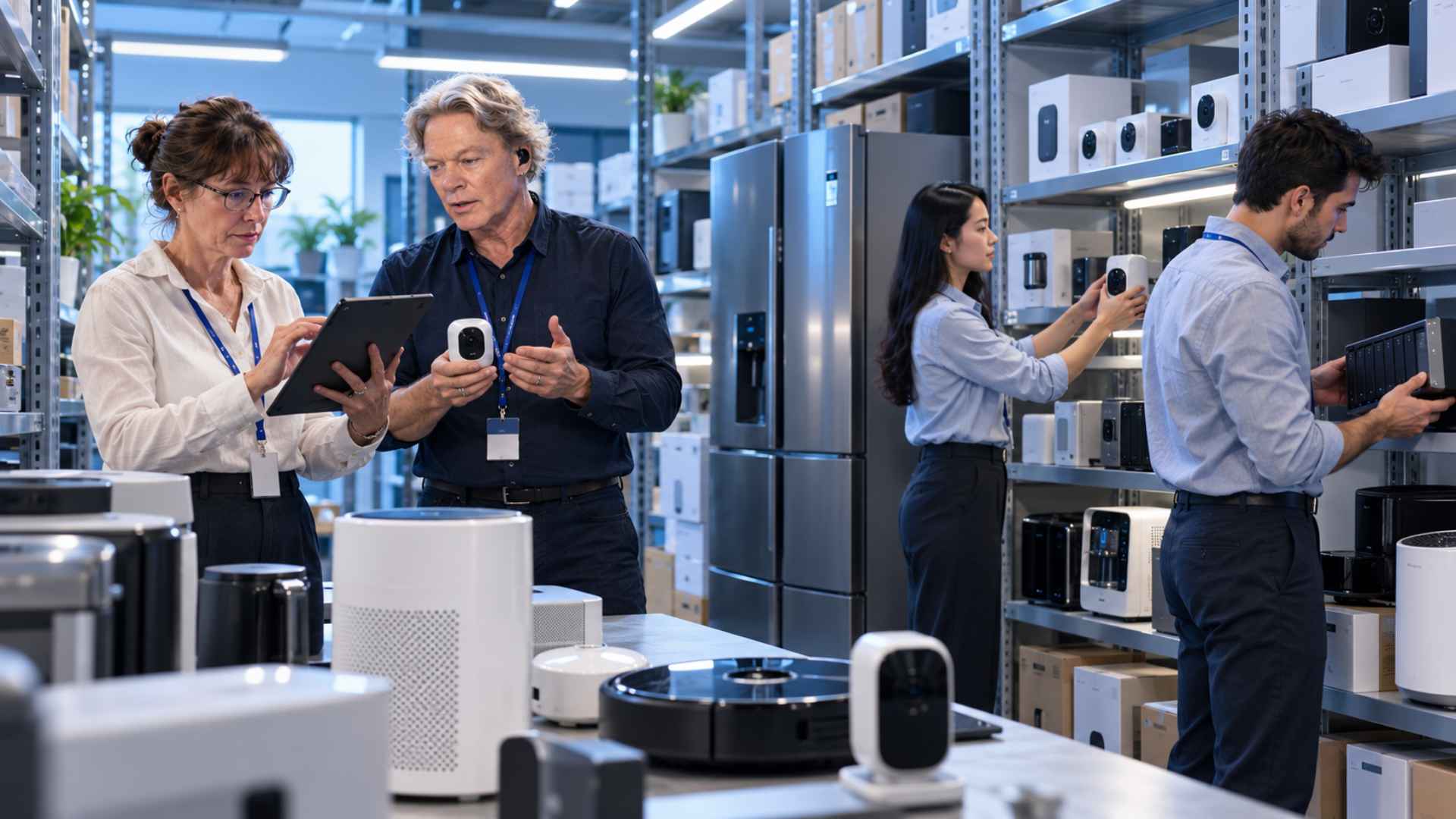
Modern living is changing the way people design, organize, and use their homes. As urban populations grow and residential spaces become more compact, homeowners and renters are looking for practical ways to maximize every square meter without sacrificing comfort or style. This shift has encouraged the development of multifunctional furniture, space saving appliances, and innovative storage systems that support everyday activities. At the same time, technological advancements have introduced modern home devices that make household management more convenient, efficient, and adaptable to different lifestyles.
The growing demand for compact living has also influenced how manufacturers approach product design. Consumers increasingly prefer appliances and household equipment that combine reliable performance with smaller dimensions and intelligent features. From slim washing machines to cordless cleaning tools and compact kitchen appliances, modern products are designed to fit seamlessly into contemporary interiors. These changes highlight the growing importance of smaller storage solutions, particularly for households that want to maintain an organized environment while enjoying the benefits of modern technology.
How Compact Living Is Transforming Modern Home Design
The popularity of compact homes reflects broader changes in housing preferences, urban development, and consumer behavior. Apartments, studio units, and smaller houses often require residents to think carefully about how they use available space. Instead of filling rooms with bulky furniture and oversized appliances, many people now prioritize functional layouts, flexible furnishings, and efficient storage arrangements. Wall mounted cabinets, under bed organizers, foldable tables, and vertical shelving systems help create additional room without making interiors feel crowded. These practical choices allow homeowners to maintain a comfortable living environment while keeping essential belongings accessible.
Modern interior design also emphasizes simplicity, flexibility, and visual balance. A well organized home does not necessarily require more storage furniture, but rather a thoughtful combination of furniture, appliances, and storage accessories. Built in cabinets can conceal household equipment, while multipurpose furniture provides storage without occupying additional floor space. Compact devices complement these arrangements because they can be placed inside cabinets, on shelves, or in designated corners when not in use. By combining efficient layouts with carefully selected products, residents can create homes that feel spacious, functional, and visually appealing even when the available square footage is limited.
The Growing Demand for Space Saving Home Devices
Consumer expectations have evolved as technology becomes more closely integrated into daily household routines. Many people want devices that simplify cleaning, cooking, laundry, and home maintenance without requiring large storage areas. Compact vacuum cleaners, countertop dishwashers, portable steam cleaners, and handheld garment steamers demonstrate how manufacturers are responding to these needs. Such products are especially useful for individuals living in apartments or shared accommodation, where storage cabinets and utility areas may be limited. Their smaller footprints make them easier to store while allowing residents to perform routine tasks efficiently.
Smart Technology and Efficient Household Storage
Smart home technology is further changing the relationship between household devices and available storage space. Connected appliances, automated cleaning equipment, and intelligent home management systems can reduce the need for multiple separate products by combining useful functions within integrated systems. For example, a robot vacuum can maintain clean floors with minimal manual effort, while smart plugs and connected controls help users manage compatible appliances more conveniently. Although not every smart device is physically smaller than a traditional alternative, its automation features can make household routines more efficient and reduce the need for additional equipment. This combination of convenience, thoughtful design, and functionality makes modern home devices increasingly relevant to compact living.
Compact Kitchen Appliances for Everyday Convenience
The kitchen is one of the most challenging areas to organize because it must accommodate cooking equipment, food supplies, utensils, and cleaning products. Compact kitchen appliances help address this challenge by delivering useful functions in smaller packages. Mini food processors, narrow air fryers, compact coffee machines, and portable blenders can support everyday meal preparation without occupying an entire countertop. Some appliances also feature detachable components or integrated accessories that simplify cleaning and storage. Choosing products according to actual cooking habits helps prevent unnecessary clutter while ensuring that essential equipment remains within easy reach. For smaller households, these appliances can provide a practical balance between convenience, performance, and efficient space utilization.
Space Efficient Cleaning Devices for Modern Homes
Cleaning equipment has also evolved to accommodate households with limited storage capacity. Traditional vacuum cleaners, large mop buckets, and bulky accessories can consume valuable closet space, especially in apartments without dedicated utility rooms. Lightweight cordless vacuums, foldable drying racks, compact steam mops, and handheld cleaning tools offer alternatives that are easier to store between uses. Wall mounted charging stations and slim storage cabinets can further improve organization by keeping equipment secure and accessible. When evaluating these products, consumers should consider battery life, cleaning performance, maintenance requirements, and storage dimensions rather than focusing exclusively on appearance. The right combination of cleaning tools can simplify household maintenance without overwhelming limited living space.
Multifunctional Furniture and Integrated Storage Systems
Multifunctional furniture provides another effective way to accommodate modern home devices while maintaining an uncluttered interior. Storage beds, ottomans with hidden compartments, extendable dining tables, and modular shelving units allow residents to combine several household functions within a single piece of furniture. These designs can create dedicated spaces for small appliances, charging accessories, electronic equipment, and everyday essentials. Integrated cable management and concealed compartments also help maintain a cleaner visual appearance, particularly in living rooms and home offices. When furniture dimensions are planned around the devices a household actually uses, residents can reduce wasted space and create a more adaptable environment that supports changing needs over time.
Choosing Smaller Storage Solutions for Long Term Value
Selecting suitable storage solutions requires more than measuring the available floor area. Homeowners should consider the dimensions of their appliances, how frequently each device is used, and whether products need ventilation, charging access, or additional clearance. Frequently used equipment should remain easy to reach, while seasonal items and occasional use appliances can be stored in less accessible locations. Transparent containers, adjustable shelving, labeled compartments, and modular organizers can improve visibility and prevent items from becoming forgotten or difficult to retrieve. A practical storage plan should also leave enough room for safe movement and routine maintenance. These considerations help ensure that compact living arrangements remain convenient rather than becoming unnecessarily restrictive.
Long term value also depends on purchasing decisions that balance durability, energy efficiency, functionality, and storage requirements. A compact appliance is not automatically the best choice if it performs poorly or requires several additional accessories to complete the same task. Consumers should compare product specifications, maintenance needs, expected lifespan, and available warranties before making a purchase. Choosing versatile devices that suit established household routines can reduce unnecessary spending and limit the accumulation of rarely used equipment. Ultimately, smaller storage solutions and modern home devices work best when they are selected as part of a coordinated approach to everyday living. By combining thoughtful organization with efficient technology, households can create comfortable, adaptable spaces that make the most of limited room while supporting convenience, cleanliness, and a more sustainable lifestyle.